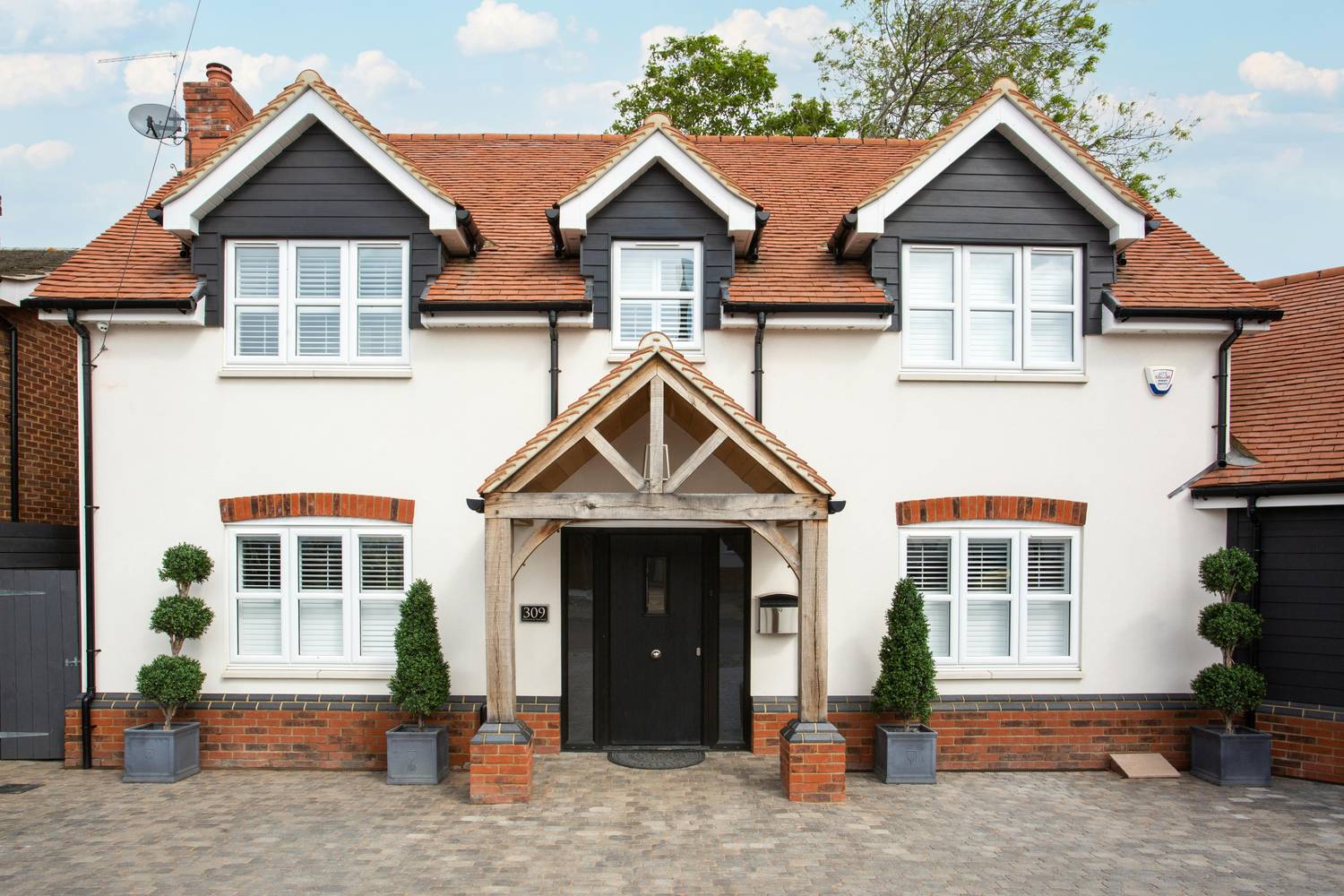
How much does rendering cost in Great Yarmouth?
Indicatively around £42–90/m² for thin-coat silicone, depending on access, height and how exposed the elevation is. Coastal walls often need extra prep against salt and old coatings. Once surveyed, your NR-area job is quoted at a fixed price.
Is silicone render good for a seafront Great Yarmouth home?
It's well suited — silicone is water-repellent and flexible, which helps on walls taking salt-laden, wind-driven rain off the North Sea. Exactly which finish suits is confirmed after the Great Yarmouth survey.
My seafront render keeps failing — why?
Salt, constant wetting and old paint build-up are usually behind it, especially where a hard cement finish can't shed water or breathe. Stripping back and using a breathable, water-repellent system normally lasts far longer. What suits your Great Yarmouth wall is settled on the survey visit.
Can you render a property in the old town Rows?
Often, yes, but the conservation setting matters — sympathetic, breathable finishes are expected and consent may be needed. Check with the council, and your specialist can guide you through it.
What's the best type of render for a house in Great Yarmouth?
It depends on the wall. As a rule across the East of England, breathable, water-shedding finishes such as silicone thin-coat or, on older solid walls, lime render tend to outlast traditional sand-and-cement, which is more prone to cracking and trapping damp. Your matched specialist surveys the wall build-up first and recommends the system that genuinely suits your Great Yarmouth home rather than a one-size-fits-all finish.
Should I repair my render or have the whole wall redone?
It comes down to how much has failed. Isolated cracks or a single blown patch can often be cut out and made good; but where render has debonded across an elevation, a full re-render usually lasts longer and looks right. A site survey is the only way to call it honestly — and a good Great Yarmouth specialist will tell you if a repair will do the job rather than upselling a full strip-off.
How do I keep rendered walls clean in Great Yarmouth?
Right on the North Sea, Great Yarmouth takes salt-laden, wind-driven rain on its seaward elevations and steady exposure that few inland Norfolk towns see. That salt and wind is hard on render, so water-repellent, flexible finishes such as silicone tend to outlast brittle cement that cracks and lets moisture track behind it. On shaded or north-facing elevations you may get green algae over time — it's cosmetic and lifts with a soft wash or a proper render cleaner; avoid jet-washing, which can force water behind the finish. A through-coloured silicone render stays cleaner for longer than painted cement in Great Yarmouth's conditions.
How long does new render last?
A quality thin-coat silicone or acrylic system typically lasts around 25–30 years or more with minimal upkeep; well-maintained lime render on a period home can last longer still. Sand-and-cement has a shorter life and cracks more readily. Lifespan really comes down to the wall, the preparation and the installer — which is why the match matters.
How long does rendering take in Great Yarmouth?
Most homes take roughly 3–10 working days depending on size, the system and how much old render has to come off first. Weather plays a part too — East of England rain or frost can pause work, since render needs dry, above-freezing conditions to cure. Your specialist gives a realistic schedule with the quote.
Can my house be rendered in winter?
It can, but render needs dry conditions above roughly 5°C to cure properly, so Great Yarmouth's colder, wetter months can mean delays or temporary protection over the scaffold. Most specialists work year-round and plan around the forecast — spring to autumn is simplest, and breathable systems cope better with damp than hard cement.
Can rendered walls be painted, and what colours can I have?
Yes. Modern silicone and acrylic renders are usually through-coloured, so the colour runs right through the finish and won't flake — you choose from a wide range at quote stage. Older or repaired render can be over-coated with a breathable masonry paint. Your specialist advises what suits the finish and the age of your home.
Will rendering make my Great Yarmouth home warmer?
Standard render is a protective, weatherproofing finish — on its own it isn't insulation, so it won't transform your heating bills. If warmth is the real goal, that's a separate insulated wall system; mention it at survey and your specialist will set out the options honestly rather than overselling plain render.
Which areas around Great Yarmouth do you cover?
We match homeowners across the NR postcode area and the wider East of England — including Norwich and Lowestoft. Tell us your postcode and SmartMatch™ pairs you with a specialist who actually works your area, not one travelling from the far side of the county.
How does SmartMatch™ choose my Great Yarmouth renderer?
SmartMatch™ weighs each local specialist's experience, verified reviews and online reputation, then matches your job to the single best-fit pro for your Great Yarmouth property and the work involved. You get one trusted specialist — your details are never sold to five firms who all chase you.